


"𝕀 𝕓𝕖𝕝𝕚𝕖𝕧𝕖 𝕥𝕙𝕒𝕥 𝔸𝕣𝕥 𝕤𝕡𝕖𝕒𝕜𝕤 𝕕𝕚𝕣𝕖𝕔𝕥𝕝𝕪 𝕥𝕠 𝕥𝕙𝕖 𝕤𝕠𝕦𝕝 𝕒𝕟𝕕 𝕣𝕖𝕡𝕣𝕖𝕤𝕖𝕟𝕥𝕤 𝕒 𝕔𝕠𝕟𝕔𝕣𝕖𝕥𝕖 𝕨𝕒𝕪 𝕥𝕠 𝕞𝕠𝕧𝕖 𝕥𝕙𝕖 𝕙𝕦𝕞𝕒𝕟 𝕤𝕠𝕦𝕝 𝕒𝕟𝕕 𝕥𝕙𝕒𝕥 𝔸𝕣𝕥 𝕤𝕙𝕠𝕦𝕝𝕕 𝕤𝕠𝕞𝕖𝕙𝕠𝕨 𝕓𝕖 𝕒𝕓𝕝𝕖 𝕥𝕠 𝕒𝕗𝕗𝕖𝕔𝕥 𝕦𝕤 𝕥𝕠 𝕞𝕒𝕜𝕖 𝕥𝕙𝕖 𝕨𝕠𝕣𝕝𝕕 𝕒 𝕓𝕖𝕥𝕥𝕖𝕣 𝕡𝕝𝕒𝕔𝕖"
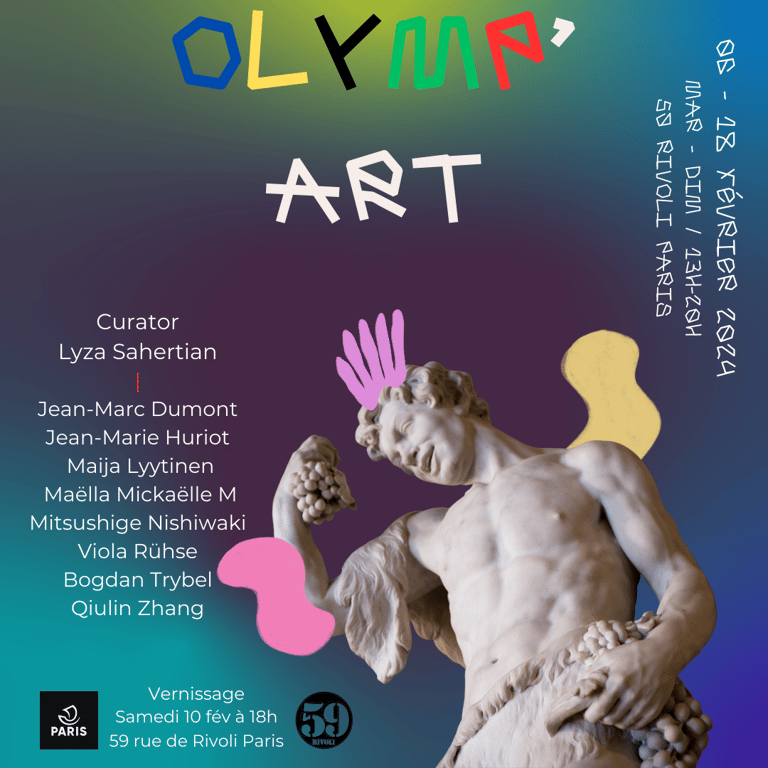
Curator
The art curator has an eye for different art forms and is committed to displaying artwork in a way that makes the exhibition space interesting. This exceptional skill enables them to transform any setting, whether intimate or expansive, into an engaging narrative. Every piece of art tells its own story, and the curator's role is to weave these narratives together to create a coherent experience that resonates with the audience and encourages them to explore the world of art more deeply.
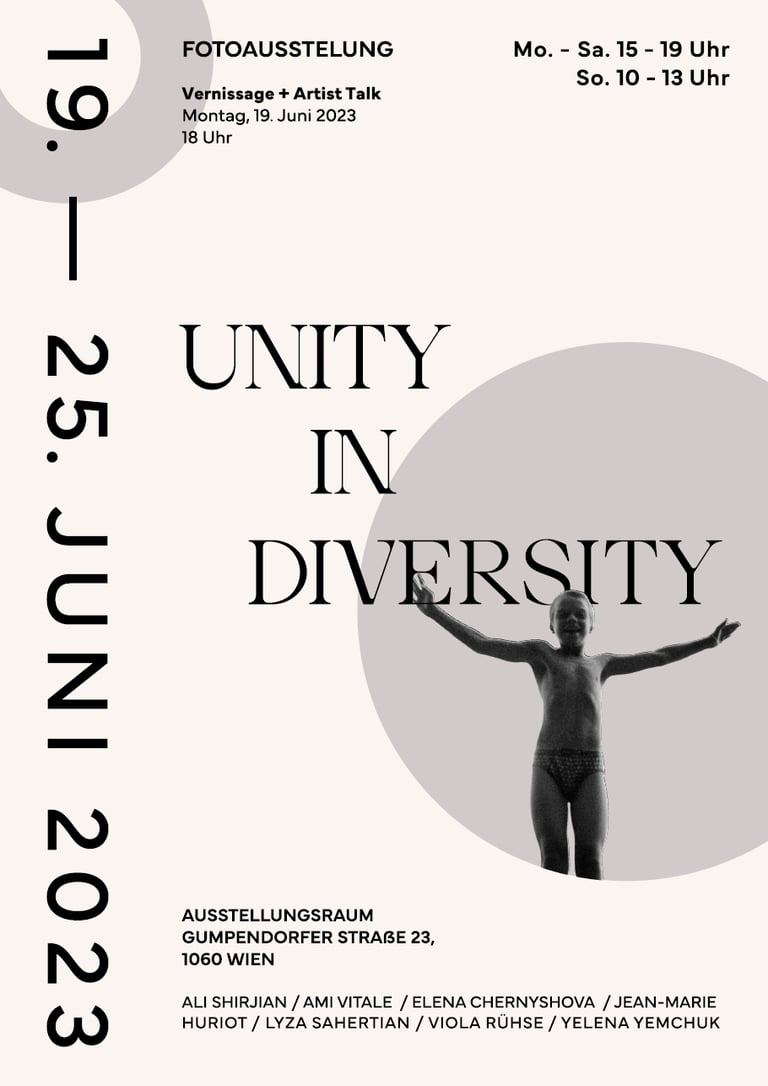
As a curator, my aim is to bring together artists from around the world, regardless of their backgrounds or identities, to work and to collaborate on an exhibition that raises awareness and strengthens our cultural connections despite our differences. By offering a platform for diverse voices, we can stimulate a more profound dialogue about our shared humanity and the beauty of varied perspectives. This collaboration showcases art and engages the public in significant ways, encouraging interaction and connection among individuals, artists, and the wider community.
In the art world, everyone plays a part, whether as an artist, curator, or audience member. Together, we can cultivate vibrant creativity that highlights talent and inspires future generations to value, respect and celebrate the arts in all their forms. This initiative focuses on forging connections, igniting dialogue, and honouring the cultural wealth that each artist brings. It serves as a reminder of the strength found in collaboration, community, and the shared human experience encapsulated in art. By engaging with one another, we can forge bonds that transcend cultures and backgrounds, nurturing an environment in which creativity knows no limits.
ℂ𝕦𝕣𝕒𝕥𝕠𝕣𝕚𝕒𝕝 ℙ𝕣𝕠𝕛𝕖𝕔𝕥𝕤









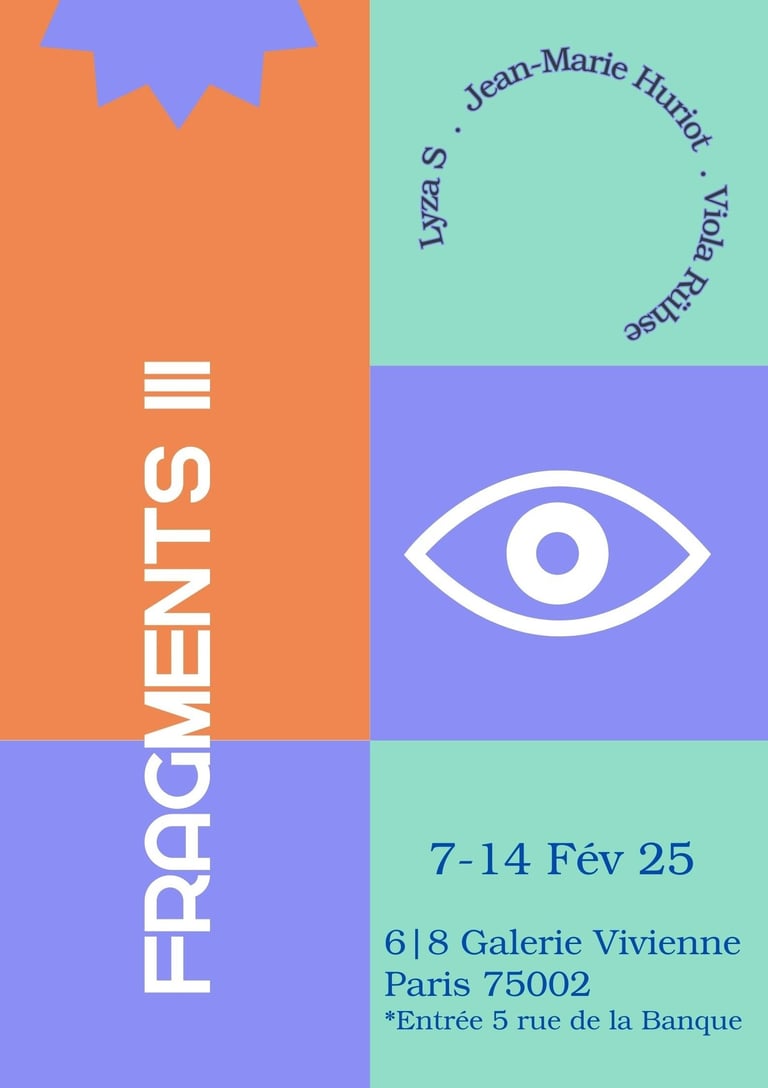
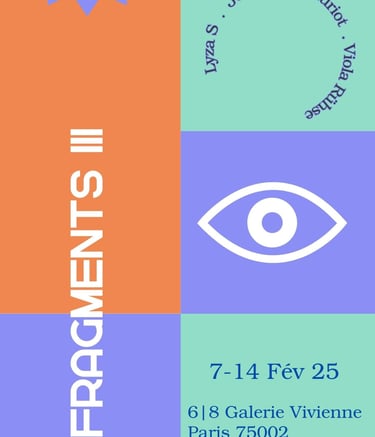
𝕃𝕚𝕘𝕙𝕥 𝕀𝕟𝕤𝕥𝕒𝕝𝕝𝕒𝕥𝕚𝕠𝕟
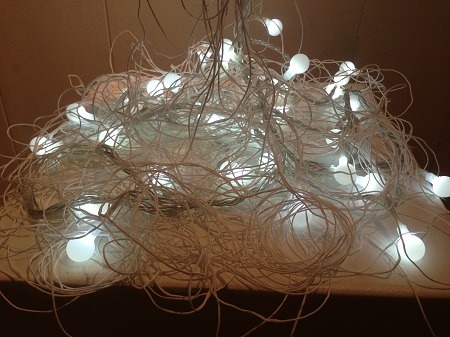
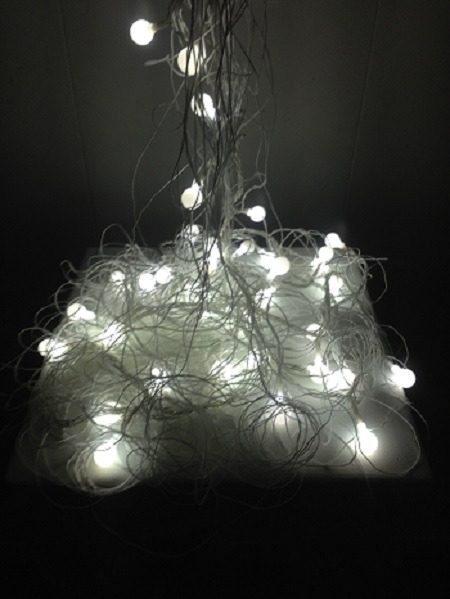
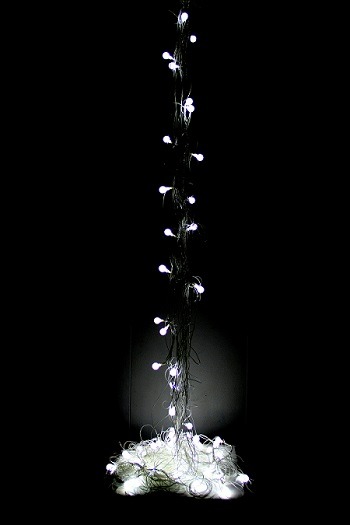
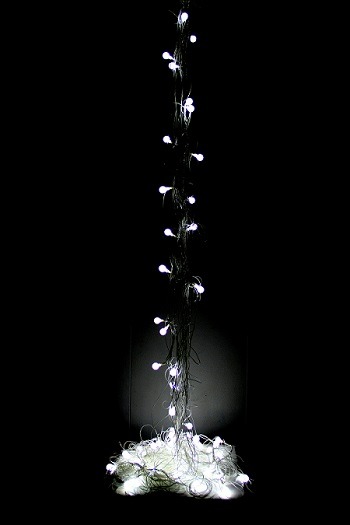
Into the light
by LS
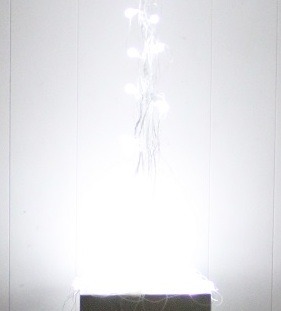
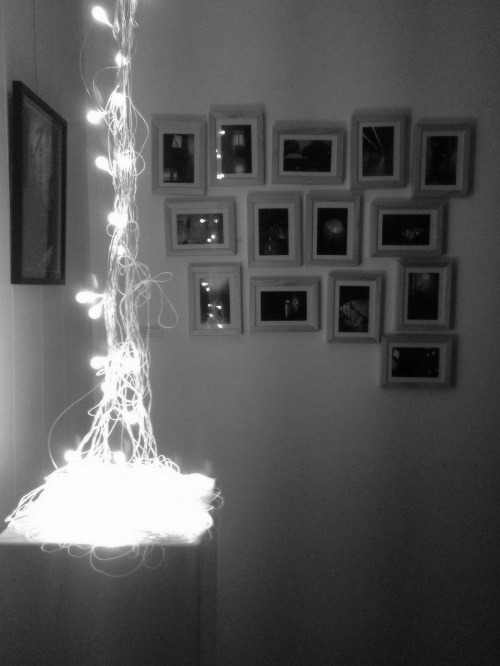
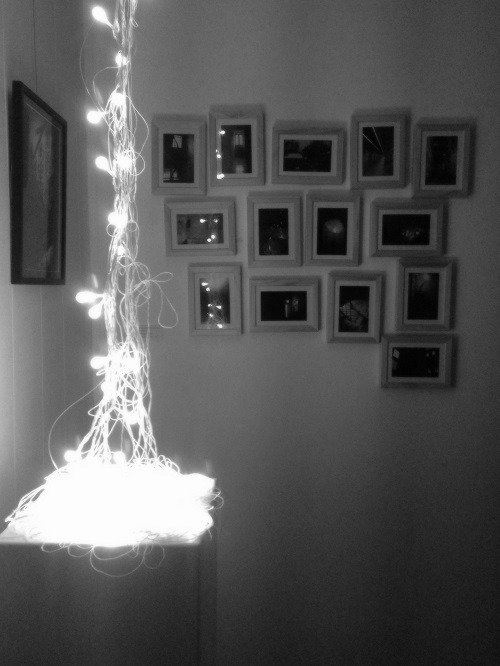
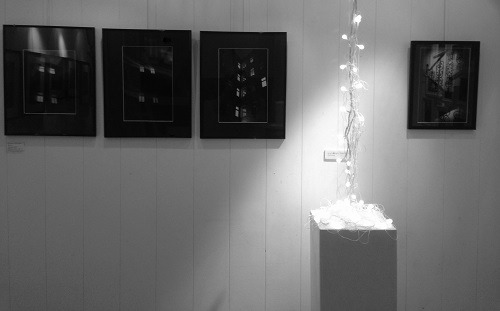
Light installation art emerged in the early twentieth century. Cherished by creators and audiences alike, it represents a novel art form within the postmodern aesthetic movement, blending technology with culture. This groundbreaking style of art has captivated viewers around the world by transforming ordinary spaces into extraordinary visual experiences that challenge perceptions and stimulate thought. As lighting technology has advanced, new light sources and materials have been incorporated into light installation art designs, significantly enhancing their concepts. Artists often use techniques such as projection mapping and kinetic lighting to create immersive environments that engage the senses. Public art draws in audiences and raises awareness by intervening in urban settings, facilitating the visualisation and comprehension of abstract social issues. These installations often act as mirrors, reflecting societal concerns and promoting dialogue and action within communities. With the advent of interactive and participatory installations, viewers become active participants, further blurring the boundaries between observer and artwork.
Light installation art provides artists with a platform to express their creativity and offers viewers multidimensional spiritual enjoyment in public spaces. The fusion of light and physical structures creates harmonious interactions that evoke a range of emotions, from joy to reflection. Such artworks often encourage individuals to perceive their surroundings in a new light — quite literally — and nurture a deeper connection between viewer and environment. Furthermore, these installations can adapt to their surroundings, utilising both natural and artificial light to create a dynamic experience that evolves over time.
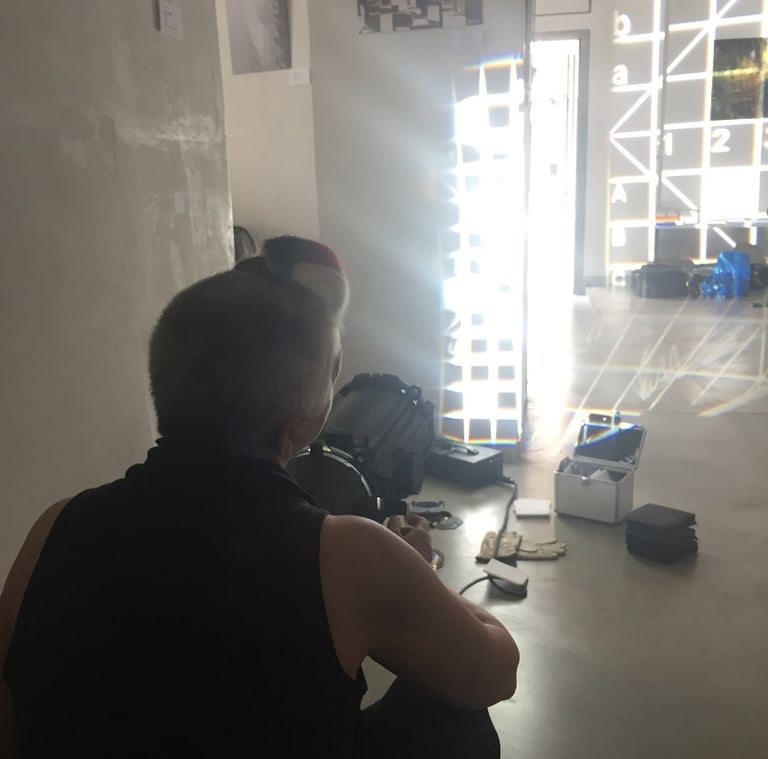
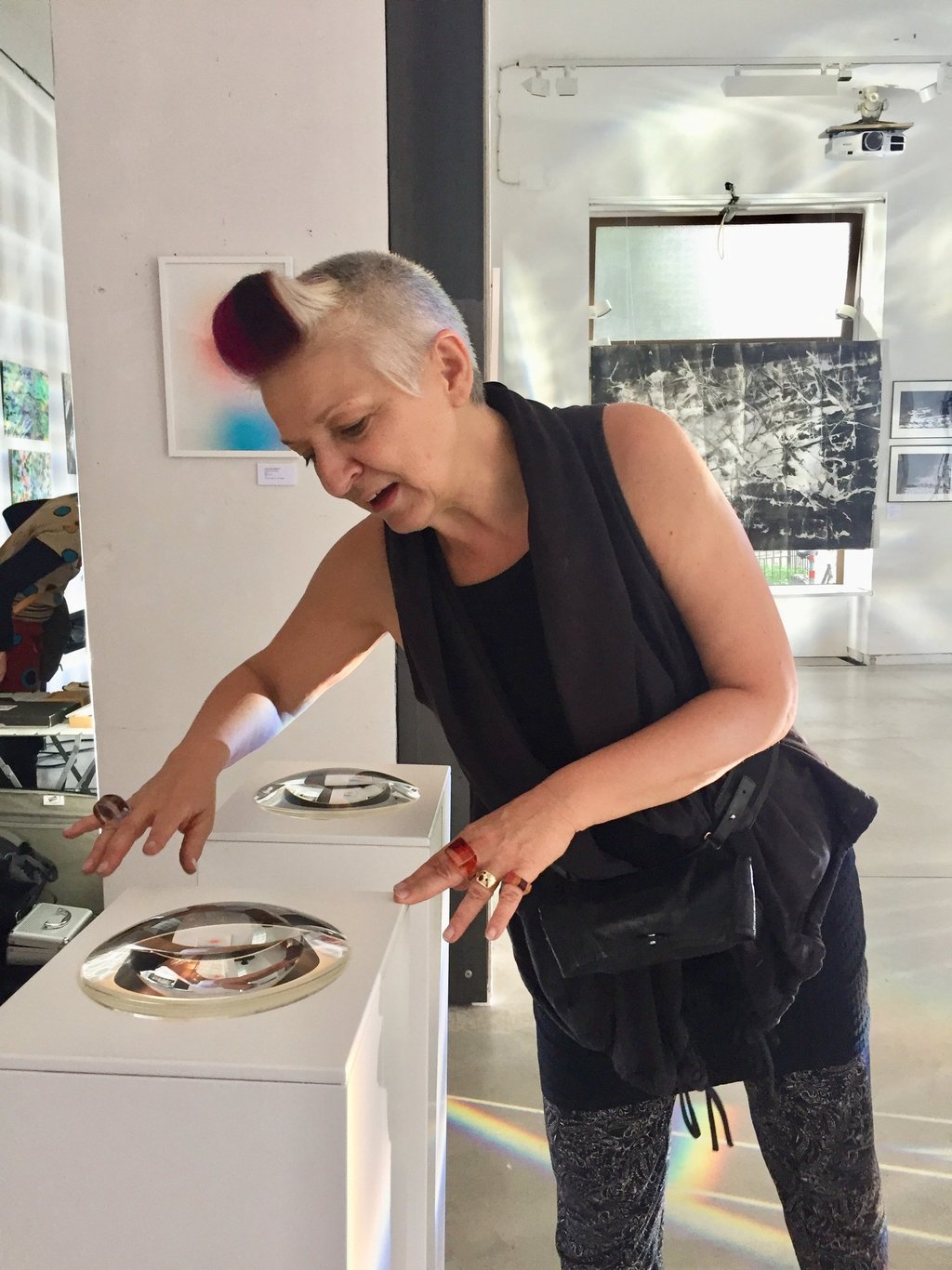
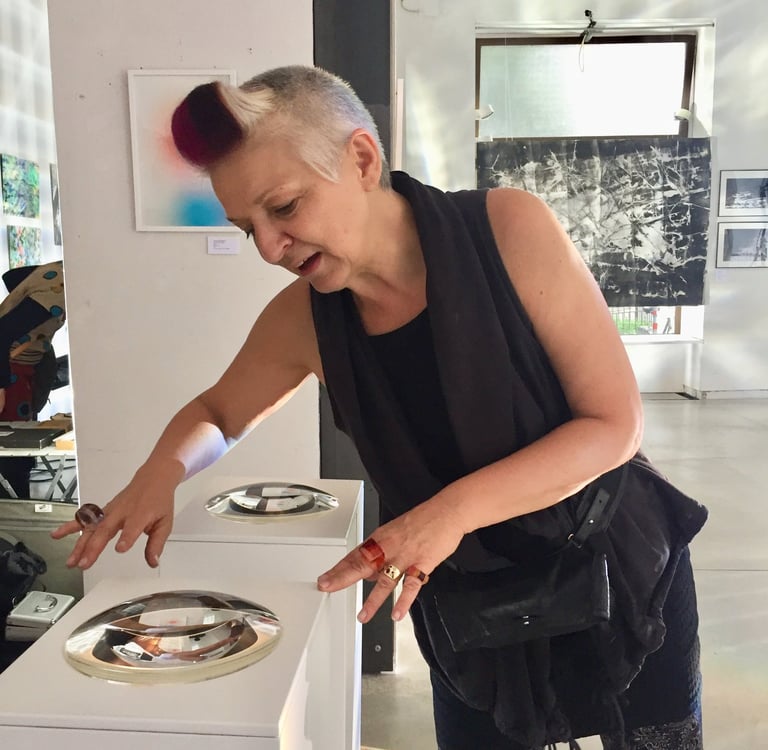
Chromotopia Licht


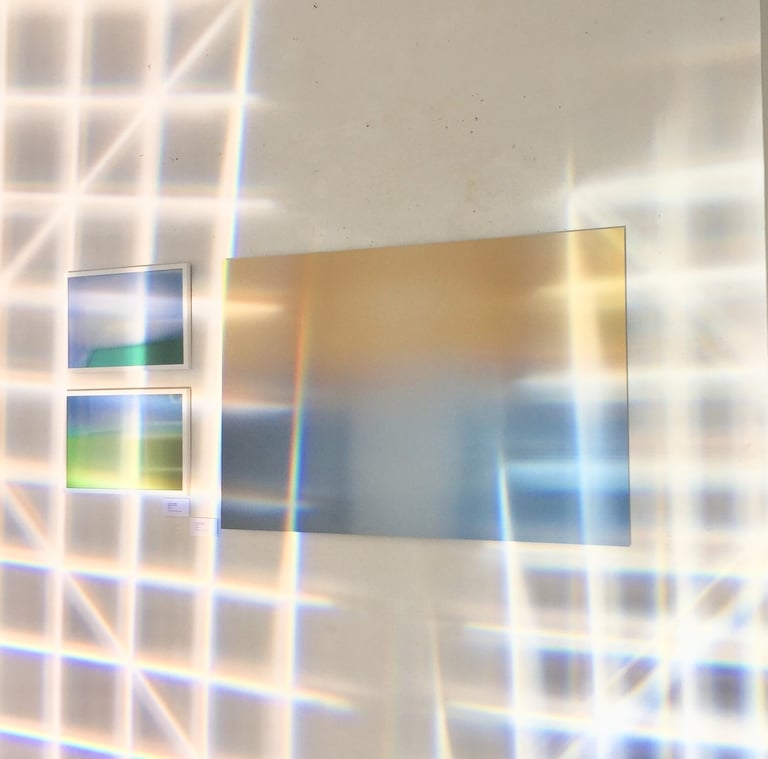
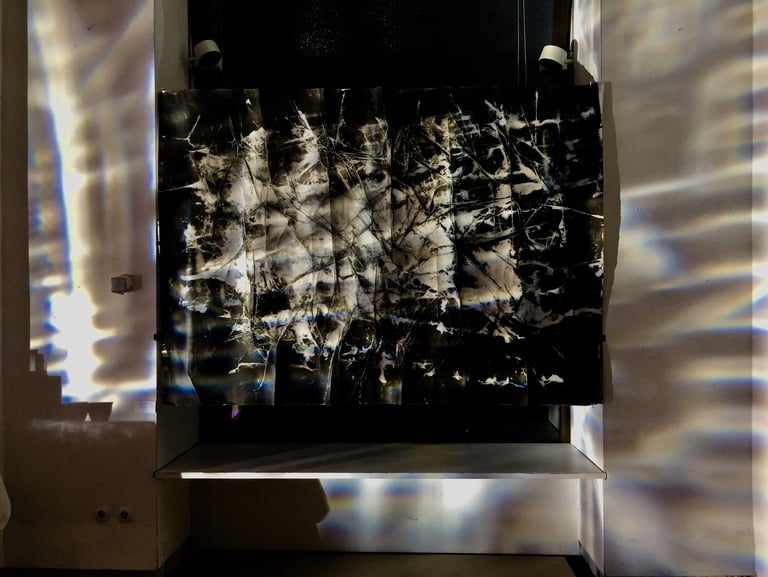
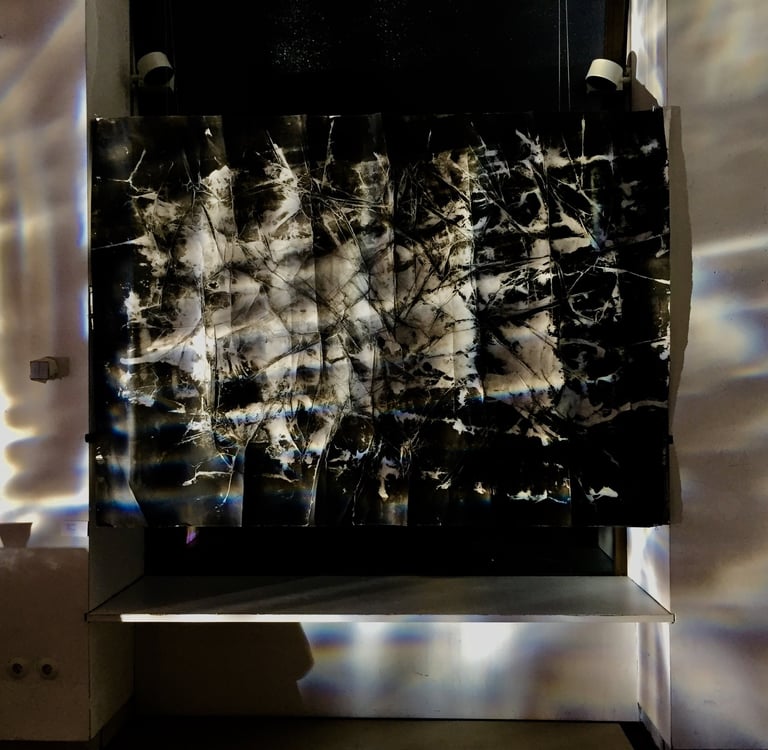
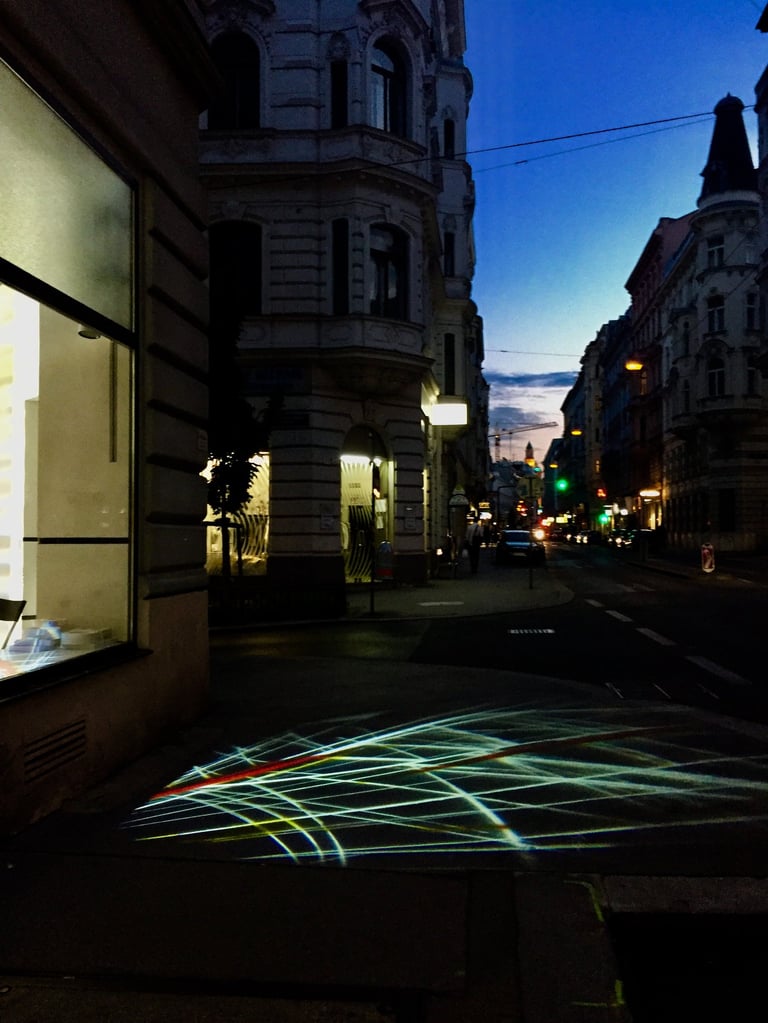
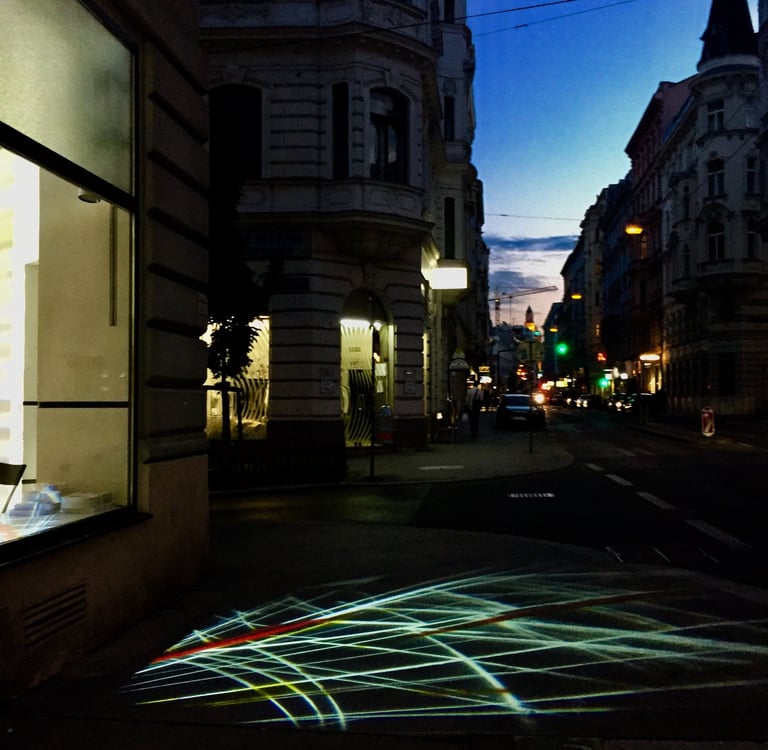
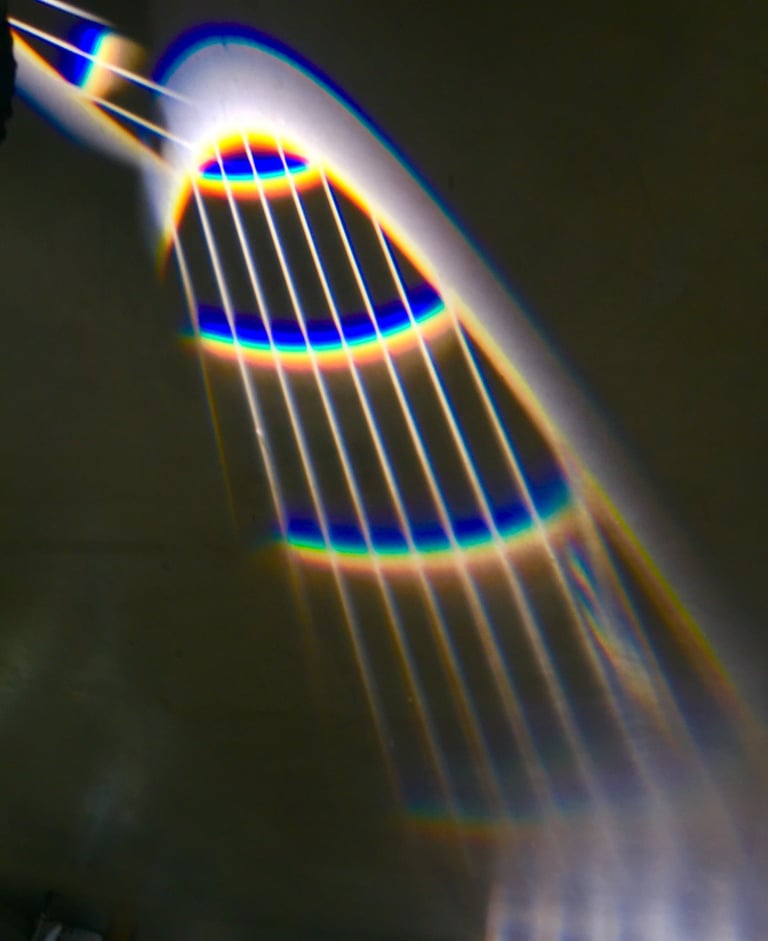
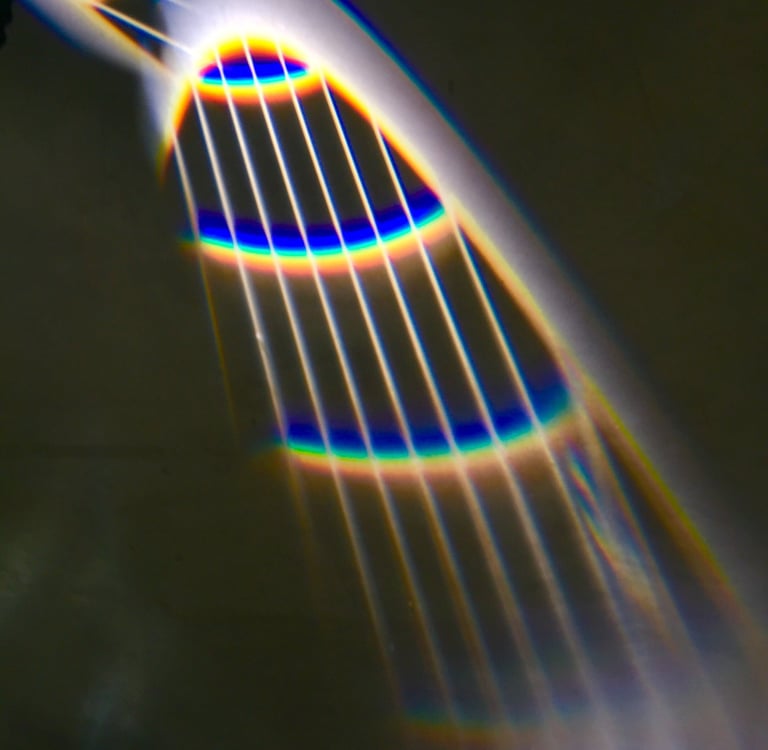

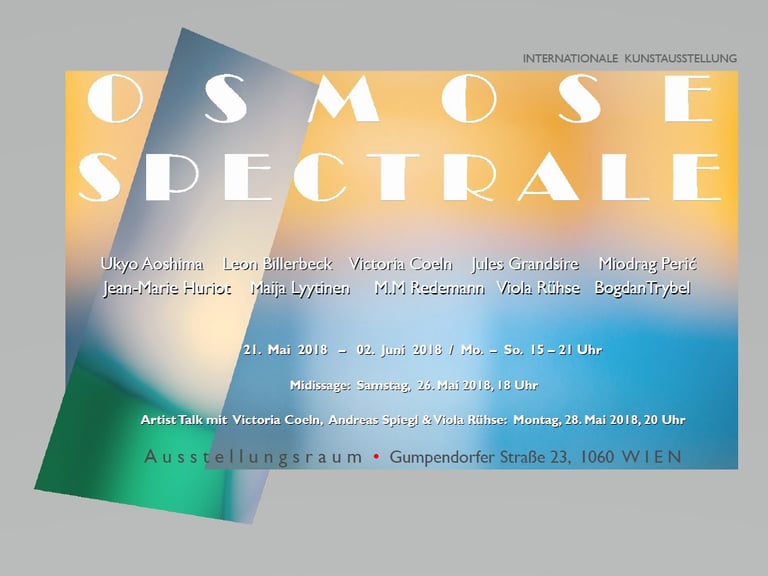
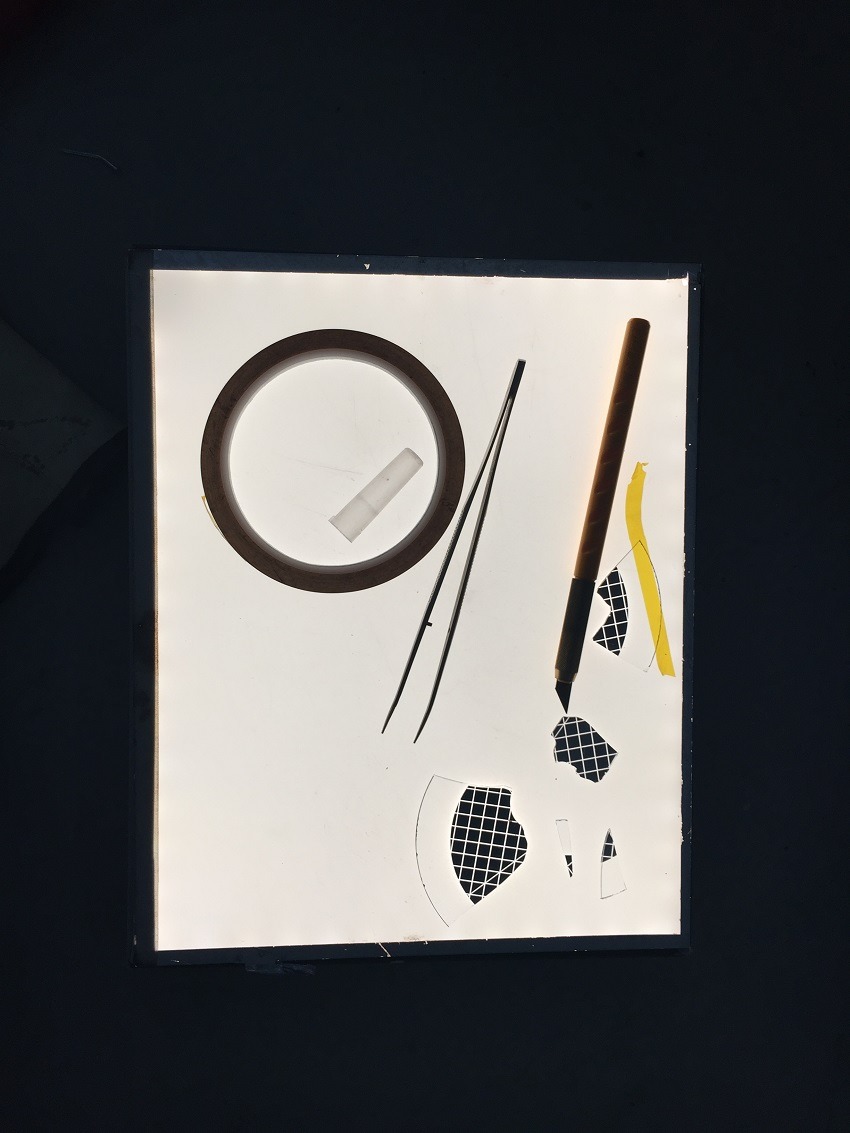
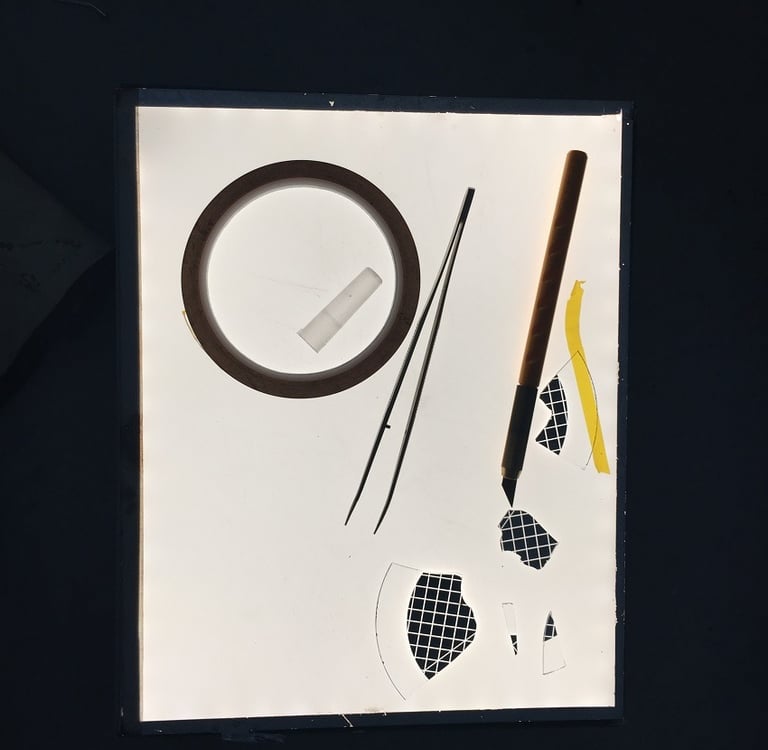
Installation Chromotopia light on Osmose Spectrale exhibition, Wien Austria
Light installation art originated at the beginning of the twentieth century, and it is loved by both artists and the public as a new art category under the post-modernist aesthetic trend, fusing the characteristics of technology and culture. With the development of lighting technology, some new light source and materials have been adopted for the design of light installation art, which greatly enrich the design concepts of light. Public art attracts audiences to spread awareness by intervening in urban space, which is conducive to the visualization and receptivity of abstract social issues.
Light installation art is not only the way for artists to express their artistic perception, but also bringing multidimensional spiritual enjoyment for the viewers in the public space.